
Climate Finance and Sustainable Investment: Mobilizing Capital for the Green Transition and Aligning with the NCQG

Time (Taiwan Time, UTC+8)
2026-11-1315:00-17:00
Venue
Live bilingual (Chinese-English) broadcast on the Ministry of Environment's YouTube or Facebook
Mode
Live Stream Link
【Catalyzing Green Capital Momentum: Taiwan’s Alignment with NCQG Funding Pathways and Strategic Deployment of Transition Finance】
With the United Nations Climate Change Conference establishing the New Collective Quantified Goal (NCQG), international climate finance is pivoting heavily toward mobilizing private capital to drive substantive transitions. Proactively aligning with global sustainability disclosure benchmarks, Taiwan's Financial Supervisory Commission (FSC) is advancing the ""Green Finance Action Plan 3.0"" to reinforce financial institutions' stewardship, engagement, and financing support for industrial decarbonization. To alleviate regulatory compliance burdens on enterprises while enhancing disclosure quality, the Ministry of Environment and the FSC joined forces in September to optimize implementation frameworks, pragmatically recalibrating the adoption pace of IFRS Sustainability Disclosure Standards. By prudently streamlining the scope of mandatory compliance to 560 enterprises, policies now prioritize high-emission industries and large-cap benchmarks to concentrate regulatory momentum on decarbonizing critical supply chains. Bringing together global green investment institutions, the FSC, Taiwan’s Climate Change Administration, and executive leadership from major financial holding groups, this forum delivers in-depth analysis on how Taiwan leverages concrete policy instruments to unleash sustainable capital and forge an internationally credible, highly actionable sustainable finance ecosystem.
Keynote Tittle
- Aligning Asia’s Climate Finance with the NCQG: Capital Flows, Investment Priorities, and Greenwashing Regulation
Speakers
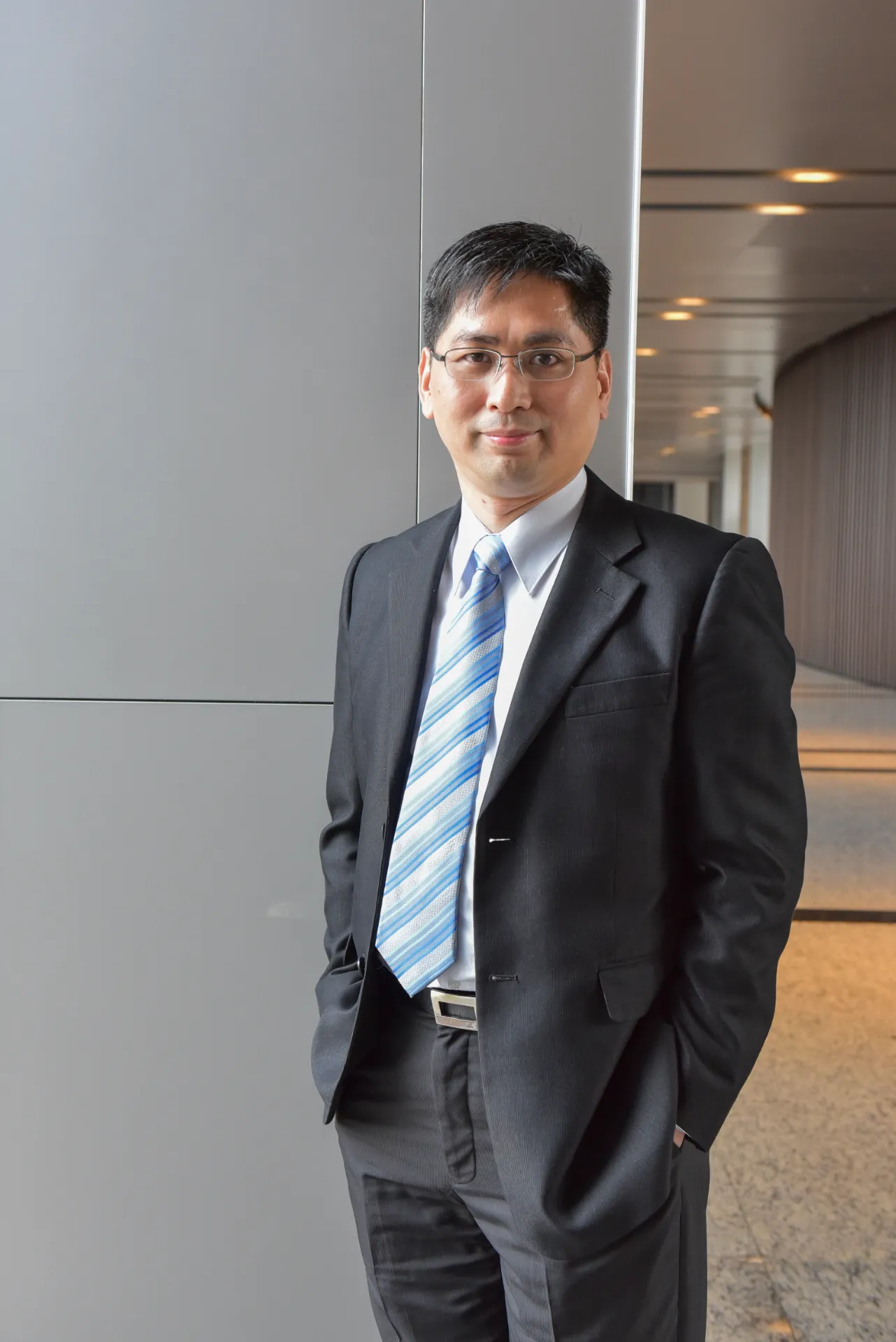
Vice President,
Taipei Computer Association
Vice President,
Taipei Computer Association
Related Experience
Deputy Secretary-General, Taiwan Venture Capital Association (TVCA)
Deputy Secretary-General, Taiwan Private Equity Association (TPEA)
Deputy Secretary-General & Consultant & Secretary-General, Chinese Business Incubation Association (CBIA)
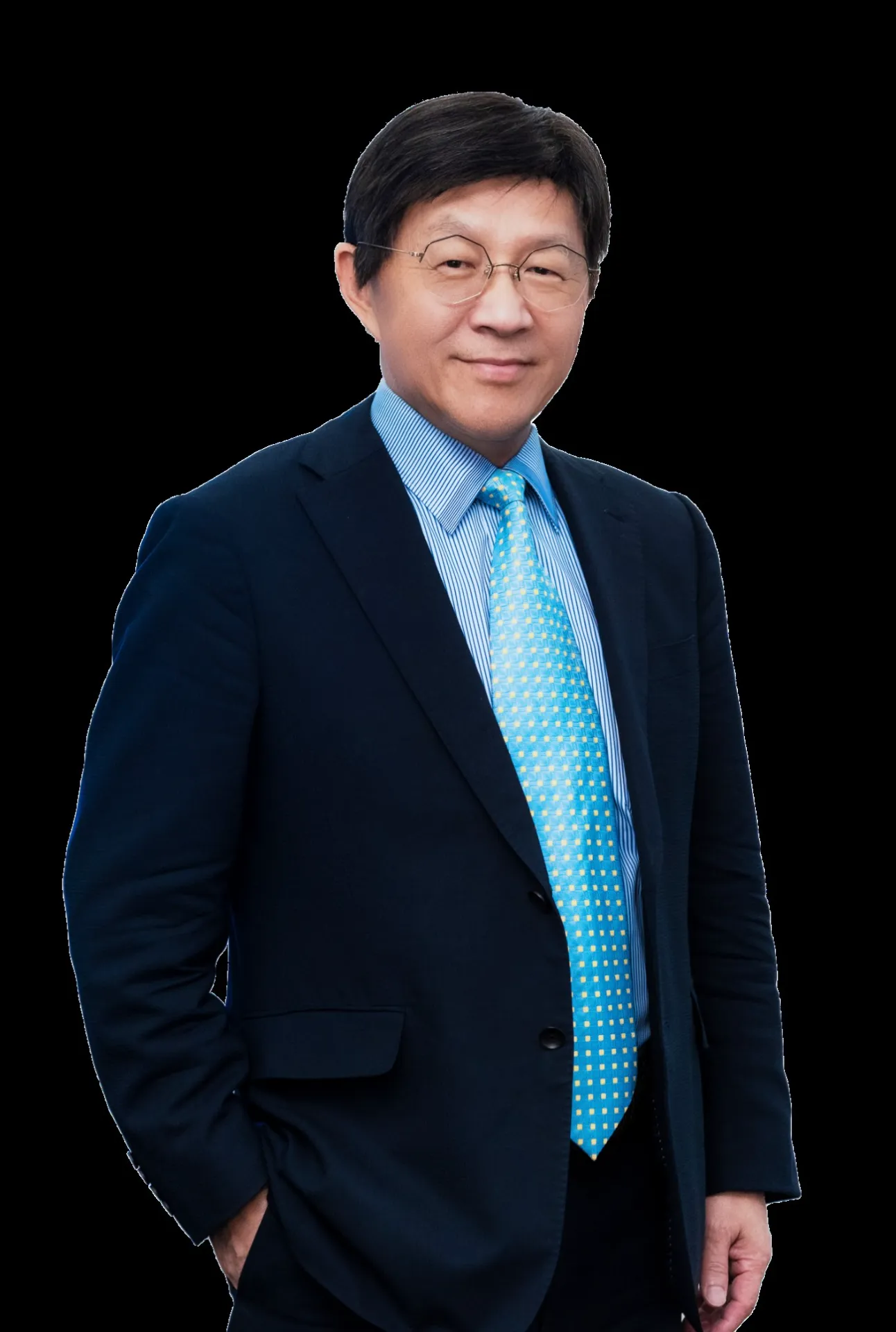
Managing Director,
KPMG Sustainability Consulting
Managing Director,
KPMG Sustainability Consulting
Dr. Cheng-Chung Huang is Managing Director of KPMG Sustainability Consulting and former Head of ESG for KPMG Asia Pacific. Having served as Secretary General of BCSD Taiwan for 16 years, he is a pioneer in advancing ESG, corporate sustainability transformation, low-carbon strategies, and sustainable finance in Taiwan.
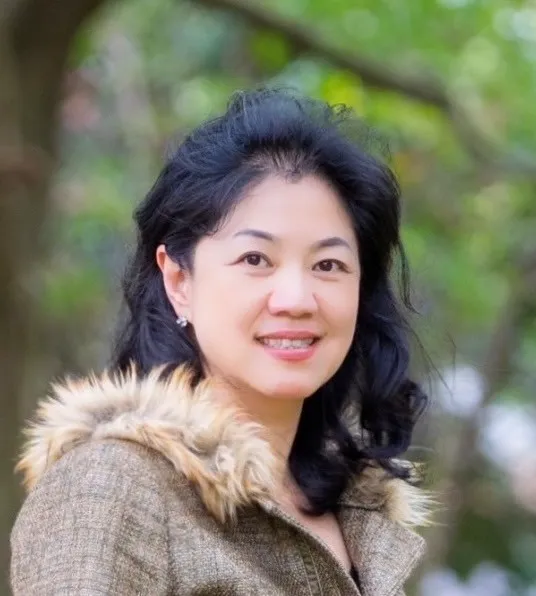
Chief Consultant,
Green Economy Research Center, Chung-Hua Institution for Economic Research (CIER)
Chief Consultant,
Green Economy Research Center, Chung-Hua Institution for Economic Research (CIER)
Dr. Lihchyi Wen holds a Ph.D. in Economics from the University of Connecticut. She serves as Chief Consultant at CIER’s Green Economy Research Center and a member of Taiwan’s National Council for Sustainable Development, specializing in sustainable finance, climate policy, ESG governance, and green economy.
Agenda
Igniting Taiwan's Green Engine: Catalyzing Domestic Emerging Net-Zero Industries via the Taiwan Green Growth Fund
Speaker
Stephen Lai| Vice President, Taipei Computer Association
Climate Finance Driven by A Robust Ecosystem For Value Creation
Speaker
Niven Huang|Managing Director, KPMG Sustainability Consulting
Speaker
Panelist
Stephen Lai|Vice President, Taipei Computer Association
Niven Huang|Managing Director, KPMG Sustainability Consulting
Dr. Lihchyi Wen|Chief Consultant, Green Economy Research Center, Chung-Hua Institution for Economic Research (CIER)