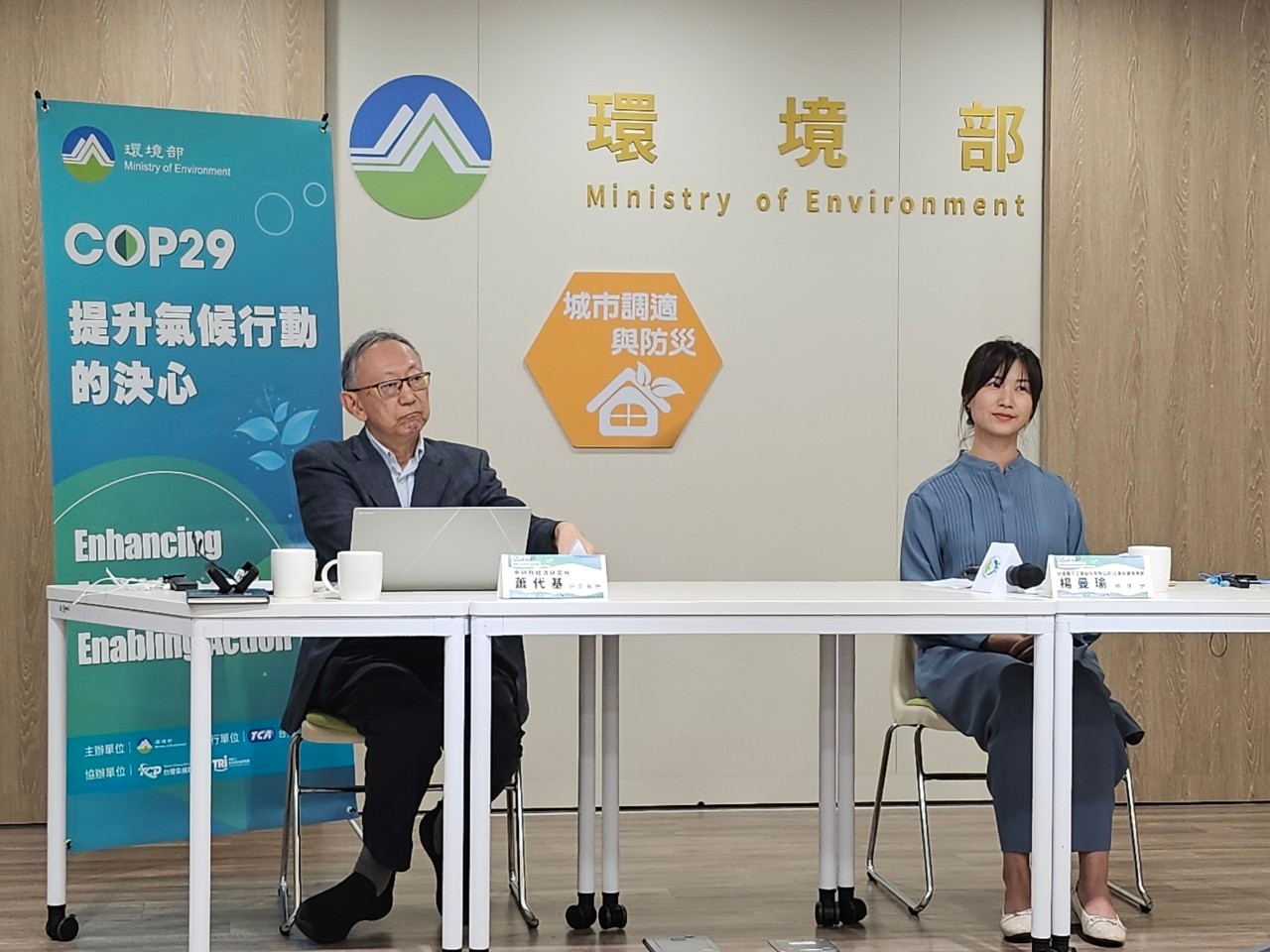

Time(Taiwan Time,UTC+8)
Nov 20, 202415:30-17:00
Venue
Online via Webex
Mode
Online(with Chinese-English bilingual real-time interpretation)
This event focuses on using data, artificial intelligence, and other digital technologies to tackle climate change. It examines how these technologies can upgrade urban infrastructure to improve cities' resilience and sustainability. For instance, advanced technologies can enhance disaster forecasting and emergency response, enabling future cities to respond more effectively to extreme weather and natural disasters. These innovations will offer more solutions for achieving global net-zero goals.
Speakers
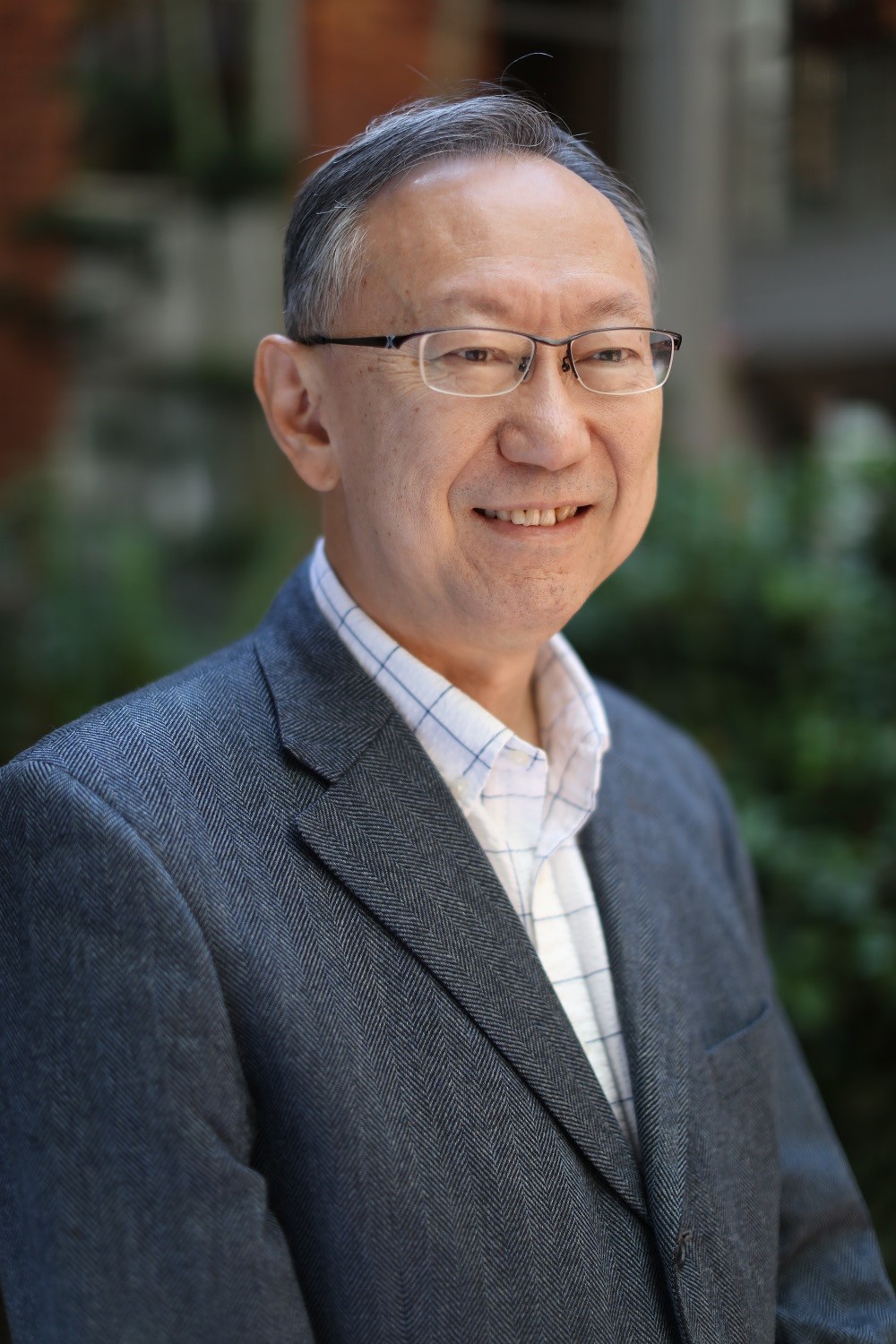
Institute of Economics, Academia Sinica
Adjunct Research Fellow
Institute of Economics, Academia Sinica
Adjunct Research Fellow
Adjunct Research Fellow at the Institute of Economics, Academia Sinica, and Adjunct Professors at the Department of Economics, National Cheng-Chi University, and the Graduate Institute of Environmental Engineering, National Taiwan University, specializes in economic and policy analysis of natural resources, environmental quality, and sustainability issues. Dr. Shaw has published many articles in several professional journals, including the American Economic Review, Journal of Econometrics, Journal of Environmental Economics and Management, Environmental Economics and Policy Studies, Marine Resource Economics, Journal of Environmental Engineering, Natural Hazards, Energy Policy, Environmental Politics, Climate Change Economics, Marine Resource Economics, Social Indicators Research, Risk Analysis, etc. In addition, Dr. Shaw won the Ministry of Education Academic Award for Distinguished Scholarship in 1995. In 2019, his paper entitled "The Impact of Global Warming on Agriculture: A Ricardian Analysis," co-authored with Robert Mendelsohn and William D. Nordhaus and published in American Economic Review (1994) was recognized by the Association of Environmental and Resource Economists (AERE) as the 2019 AERE Publication of Enduring Quality. Dr. Shaw was selected as one of the first two AAERE (East Asian Association of Environmental and Resource Economics) Fellows in 2023 for his 40 years of contribution to education and research in environmental and resource economics. Dr. Shaw served as President of the Chung-Hua Institution for Economic Research from 2006 to 2011, President of AAERE from 2012 to 2013, President of the Chinese Regional Science Association-Taiwan from 2011 to 2013, and President of the Taiwan Association of Environmental and Resource Economics in 2014 to 2015, and 2018 to 2019 again. He is a Co-Editor of Climate Change Economics (World Scientific) and on the editorial board of Environmental Economics and Policy Studies (Springer). He received his Ph.D. in resource policy, economics, and management from the University of Michigan in 1985, his MS in forest management in 1978 from National Taiwan University, and his BS in forestry in 1974 from National Chung-Hsing University.
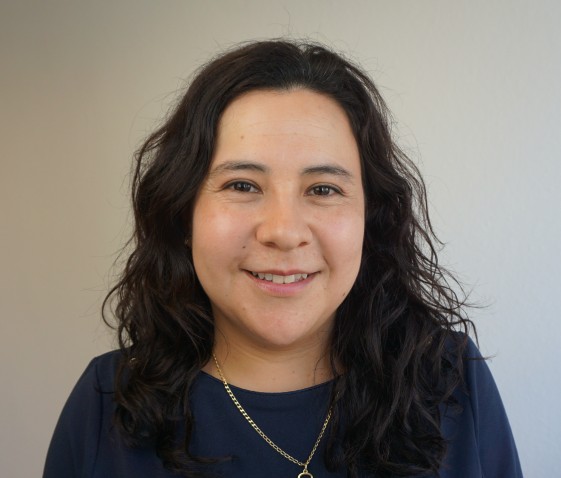
ICLEI Europe
Head of Green Digital Transformation
ICLEI Europe(ICLEI Europe)
Head of Green Digital Transformation
Daniela, is an Environmental Engineer and climate action expert with over 15 years of experience in the energy, ICT, and urban sustainability sectors. With master's degrees in Sustainable Energy Development and City Sciences, she works to bridge the gap between cutting-edge solutions and real-world sustainability impact.
As the Head of Green Digital Transformation at ICLEI Europe, Daniela plays a pivotal role in supporting cities to integrate digital, green, and sustainability agendas. She oversees smart city projects, fosters collaboration with different partners on data-driven and AI-enabled climate action initiatives, and provides strategic advice to EU smart cities and climate initiatives. She also drives ICLEI's monitoring, reporting, and evaluation efforts, ensuring accountability and progress.
Previously, she consulted for the International Telecommunication Union (ITU), shaping Green ICT standards for smarter, cleaner cities. Her leadership for almost 10 years at Telefonica, a global telecom operator, saw her establish their Climate Change Office, impacting environmental practices in 26 countries across Europe and Latin America. Daniela's expertise also fueled her work as a technical advisor in her home country Ecuador Ministry of Energy and Mines and for the Latin American Energy Organization (OLADE).
Daniela actively participates in international working groups, fostering collaboration to build low-carbon, resilient and smart cities worldwide.
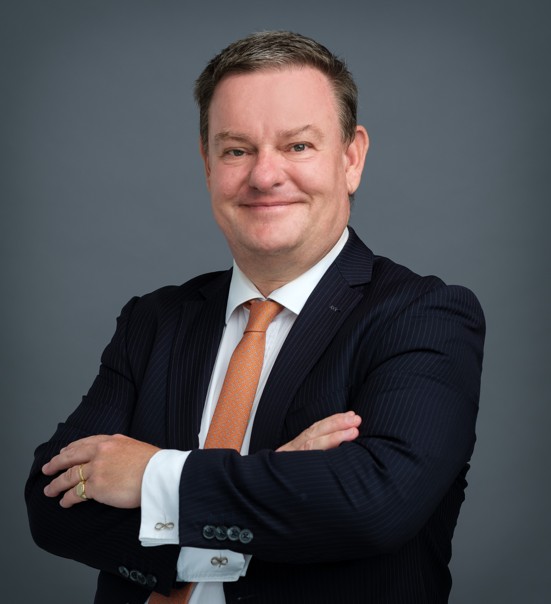
Amsterdam Smart City
Strategy advisor and international smart city ambassador
Amsterdam Smart City
Strategy advisor and international smart city ambassador
Since 2008 Frans-Anton Vermast MBA (1969) has been Strategy Advisor and International Smart City Ambassador for Amsterdam Smart City.
He is a global expert in searching for opportunities for novel appliances and services that make cities and regions an accessible and inclusive society and a more habitable place for people to live, work and play in.
Next to a strategic and broad general knowledge and experience in this field for almost 20 years Mr Vermast specialises in citizens engagement and governance- and finance models to facilitate collaboration in a multiple triple helix.
His objectives are to facilitate social innovation and a sustainable-liveable environment to boost social and economic benefits based on public data, open AI and open algorithms in a human centric approach. Ethics, gaining (back) trust of citizens & villagers and ownership of data to end users are important topics he focusses on. He is keen to elaborate on these issues and to learn from others.
"Innovation is about doing and learning by doing". Therefore, Mr Vermast is not afraid to share lessons learned to prevent other cities making the same mistakes.

International Data Spaces Association(IDSA)
CEO
International Data Spaces Association(IDSA)
CEO
Lars Nagel is CEO of the International Data Spaces Association with 140+ global members since its foundation in 2016. He is also a member of the Executive Board of Digital Hub Management GmbH, where he manages innovation and technology transfer. He has been member of the first board of directors of Gaia-X AISBL and held the role as COO in the first year, furthermore he is member of various advisory boards of European research projects.
Previously, Lars founded and led GlobalGate, a provider of corporate education programs with blended learning courses for industrial and economic content based on a digital learning platform.
Lars graduated at the Technical University of Dortmund with a diploma in Mechanical Engineering. Lars’ main fields of work are innovation management, network engagement and technology transfer - always with a focus on digital, complex systems and data economy.

Delta Electronics, Inc.
Manager, Corporate Sustainability Development Department
Delta Electronics, Inc.
Manager, Corporate Sustainability Development Department
Joined Delta in 2018 and currently serves as the Manager of the Corporate Sustainability Development Department.
Holds a degree from Yale University’s School of Forestry and Environmental Studies and has over a decade of dedicated experience in sustainability. Has an extensive background in climate change, RE100, circular economy, and ecological initiatives, with a strong commitment to helping businesses achieve a balance between commercial success and ecological sustainability.
Agenda
Speaker
Daigee Shaw|Adjunct Research Fellow, Institute of Economics, Academia Sinica
Speaker
1.Alis Daniela Torres|Head of Green Digital Transformation, ICLEI European Secretariat
2.Lars Nagel|CEO of the International Data Spaces Association(IDSA)
3.Frans-Anton Vermast |Strategy advisor and international smart city ambassador, Amsterdam Smart City
4.Mona Yang|Manager of Delta
Speaker
1.Alis Daniela Torres|Head of Green Digital Transformation, ICLEI European Secretariat
2.Lars Nagel|CEO of the International Data Spaces Association(IDSA)
3.Frans-Anton Vermast |Strategy advisor and international smart city ambassador, Amsterdam Smart City
4.Mona Yang|Manager of Delta
Moderator
Daigee Shaw|Institute of Economics, Academia Sinica Adjunct Research Fellow
Highlights
Urban Innovation in Adaptation and Disaster Response – Leveraging Technology to Build a Sustainable Future for Cities
2024-11-21
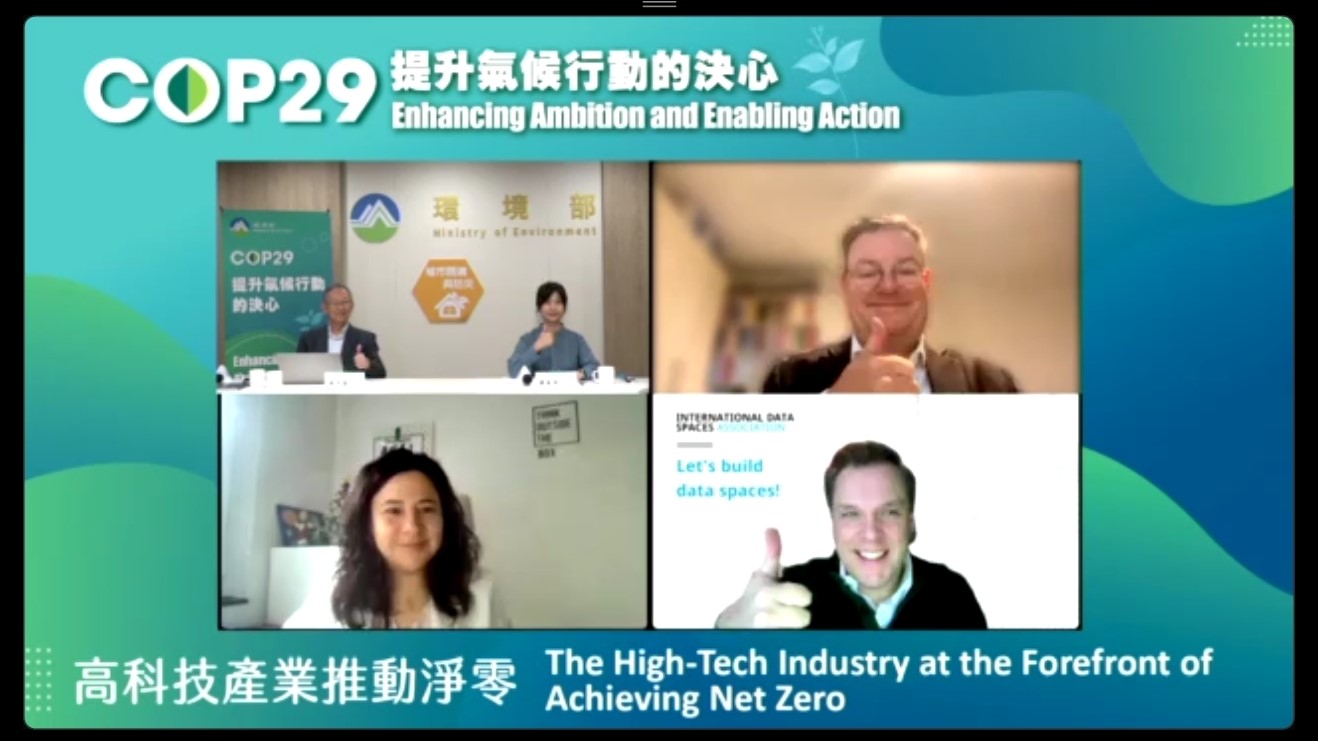
Moderated by Dr. Daigee Shaw, Institute of Economics, Academia Sinica Adjunct Research Fellow, the forum offered a deep dive into the intersection of economics, environmental policy, and technological innovation. Dr. Shaw’s extensive expertise provided a solid foundation for the discussions.
Keynote speakers included Alis Daniela Torres, Head of Green Digital Transformation at ICLEI European, who shared insights into the pivotal role of AI in driving climate action. She highlighted her experience in numerous smart city projects worldwide. Frans-Anton Vermast, Strategy advisor and international smart city ambassador of Amsterdam Smart City, showed the Dutch capital’s pioneering efforts in smart city governance, emphasizing the importance of data sharing and open AI in fostering more livable cities. “Innovation lies in practice, and we learn through practicing,” Vermast stated.
Lars Nagel, CEO of the International Data Spaces Association (IDSA), explored how data economics can enhance urban resilience and presented practical strategies for addressing disasters through technological innovation. Delta Electronics, a founding member of TCP, offered a corporate perspective through Mona Yang, Manager of Corporate Sustainability. Delta shared its company commitment to environmental sustainability and its efforts to develop innovative energy-saving products and solutions to mitigate the impacts of climate change.
The panel discussion, moderated by Dr. Shaw, delved into the challenges and opportunities of integrating IoT and AI into urban adaptation strategies. Panelists discussed the energy consumption of AI and the importance of data quality and efficiency in achieving net-zero cities. Alis Daniela Torres emphasized the need for strong public-private partnerships to successfully integrate AI into urban development. Mona Yang stated that the industry is highly optimistic about the contribution of cutting-edge technologies to urban development, highlighting that by effectively utilizing technologies such as secure data exchange and privacy enhancement, the path toward more tangible and innovative applications for future cities becomes increasingly clear.
In conclusion, the forum underscored the importance of global collaboration and technological advancement in building resilient and sustainable cities. By harnessing the power of data, AI, and digitalization, cities can better prepare for and respond to the challenges posed by climate change.