
Combating Extreme Heat — MOENV Launches First ‘National Green Canopy Program’ Event in Chiayi Nearly 400 Representatives from Government, Industry, and Academia Participate, Endorsing Policy Direction and Building Green Consensus
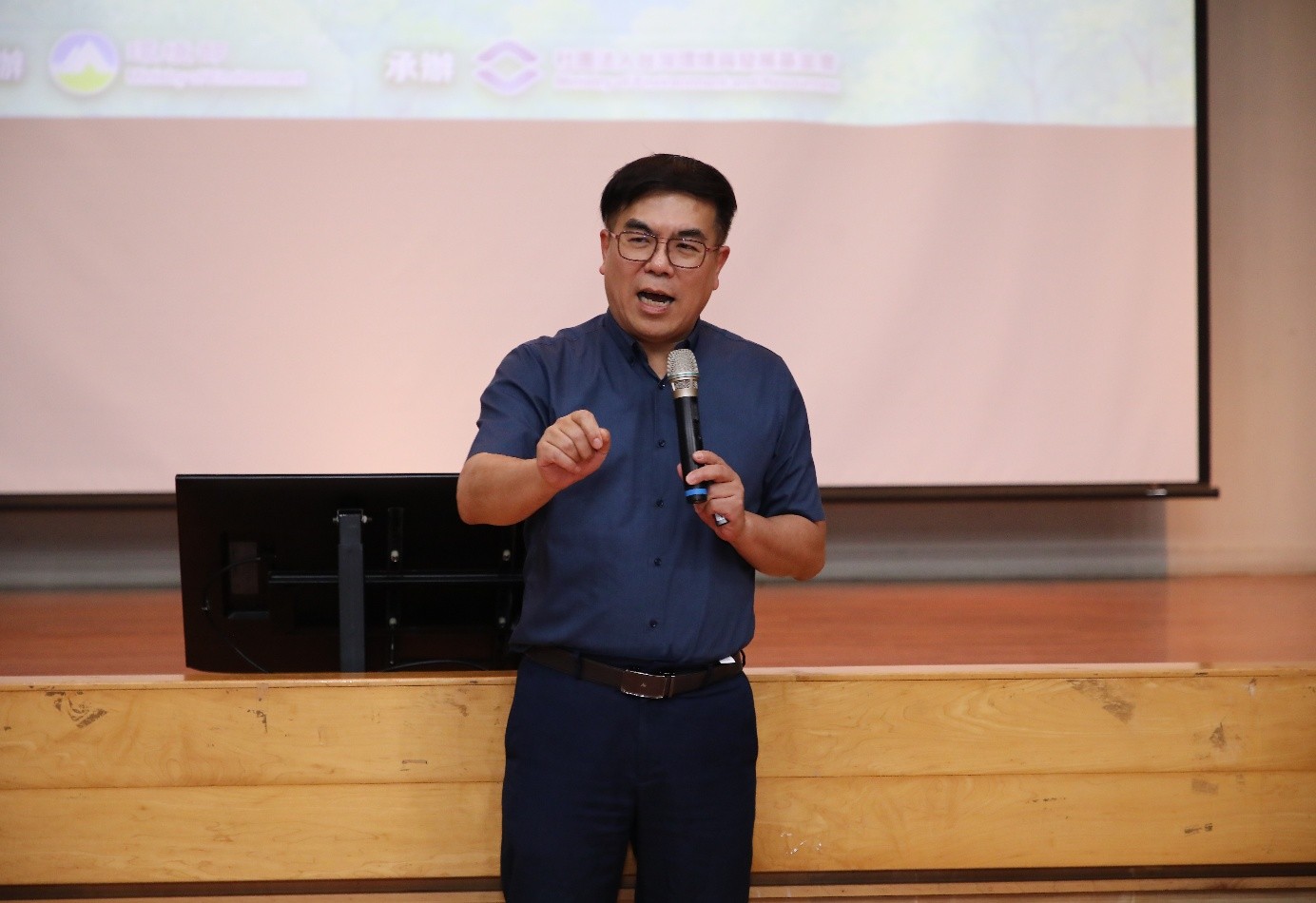
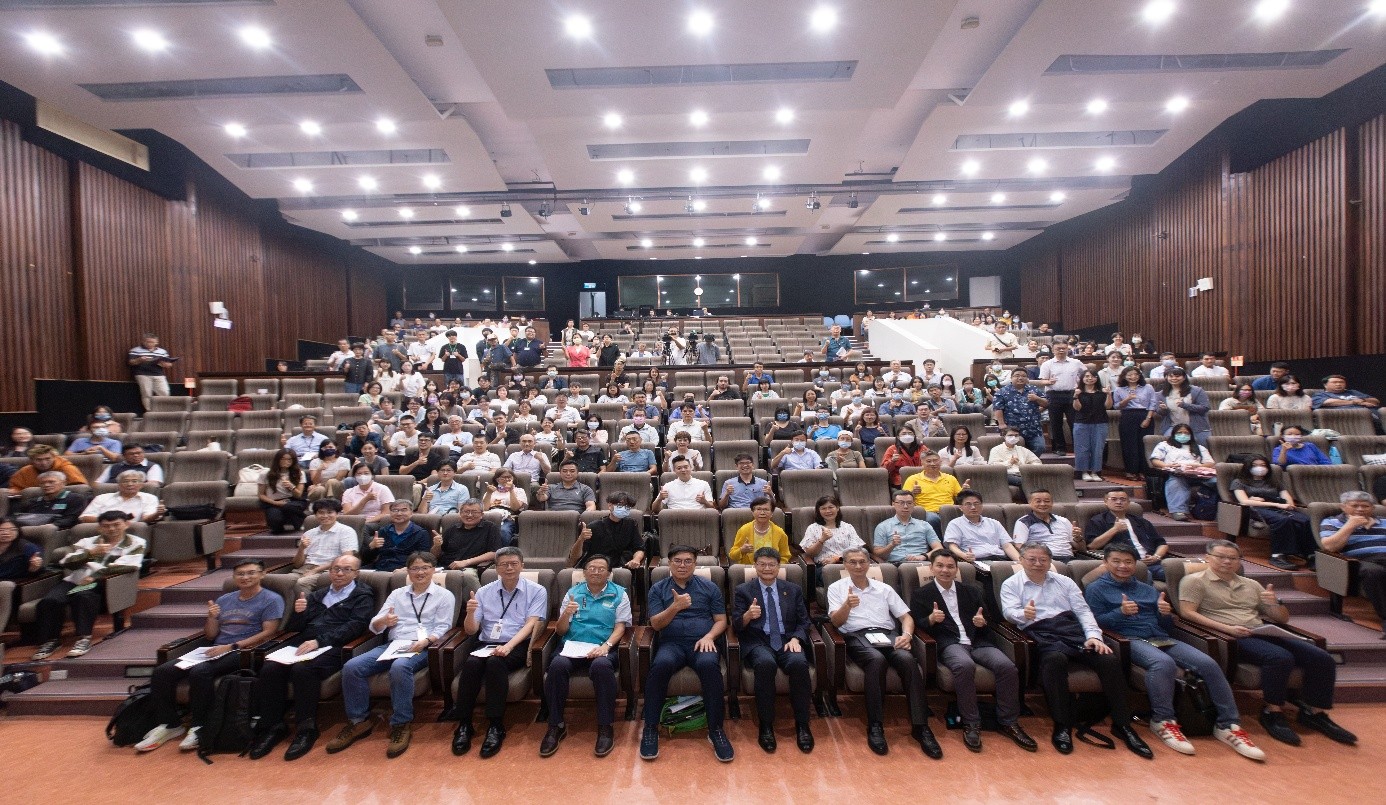
Today (June 29), the Ministry of Environment (MOENV) held the first “Briefing Session on the National Green Canopy Climate Adaptation Program and Wood Resource Circulation” at National Chiayi University, attracting nearly 400 participants in person and online. Chiayi County Deputy Magistrate Liu Pei-Tung and Chiayi City Government Counselor Lin Jianhong both led local government teams to attend, demonstrating strong local commitment to climate adaptation. With Chiayi as the starting point of a nationwide series, MOENV plans to hold 50 public engagement sessions to build public consensus and jointly create a resilient national green network that delivers cooling, disaster-risk reduction, and health benefits.
Minister of Environment Peng Chi-ming said that extreme heat has become a common global challenge. People walking on streets with insufficient shade often experience higher perceived temperatures, making the expansion of green canopy an urgent priority. He emphasized that climate adaptation cannot be planned behind closed doors by government alone, it requires joint participation by local governments, academia, businesses, and the public. The National Green Canopy Program will center on Nature-based Solutions (NbS), using cost-effective natural measures such as urban forests to provide cooling, air purification, biodiversity, and heat-equity benefits, thereby creating healthier and more resilient urban environments.
MOENV stated that, to integrate climate adaptation into local communities and everyday life, future implementation will focus on three key areas: technology, community participation, and the circular economy, including:
- Digital technology management: Introduce digital twins and smart management tools such as i-Tree forest-benefit assessment, and establish a dedicated “digital ID” for each tree.
- Public adoption and talent development: Establish a digital public-adoption platform and launch the “One Person, One Tree” initiative, enabling citizens and businesses to adopt nearby green spaces with one click; work with schools, communities, and NGOs to cultivate community green-collar professionals and “tree doctors.”
- Wood resource circulation: In line with the newly amended Resource Circulation Promotion Act, establish a cascading utilization system for wood resources—including material remanufacturing, biochar, agricultural applications, and energy use—to implement a complete sustainable system from “planting and caring for trees” to “resource circulation.”
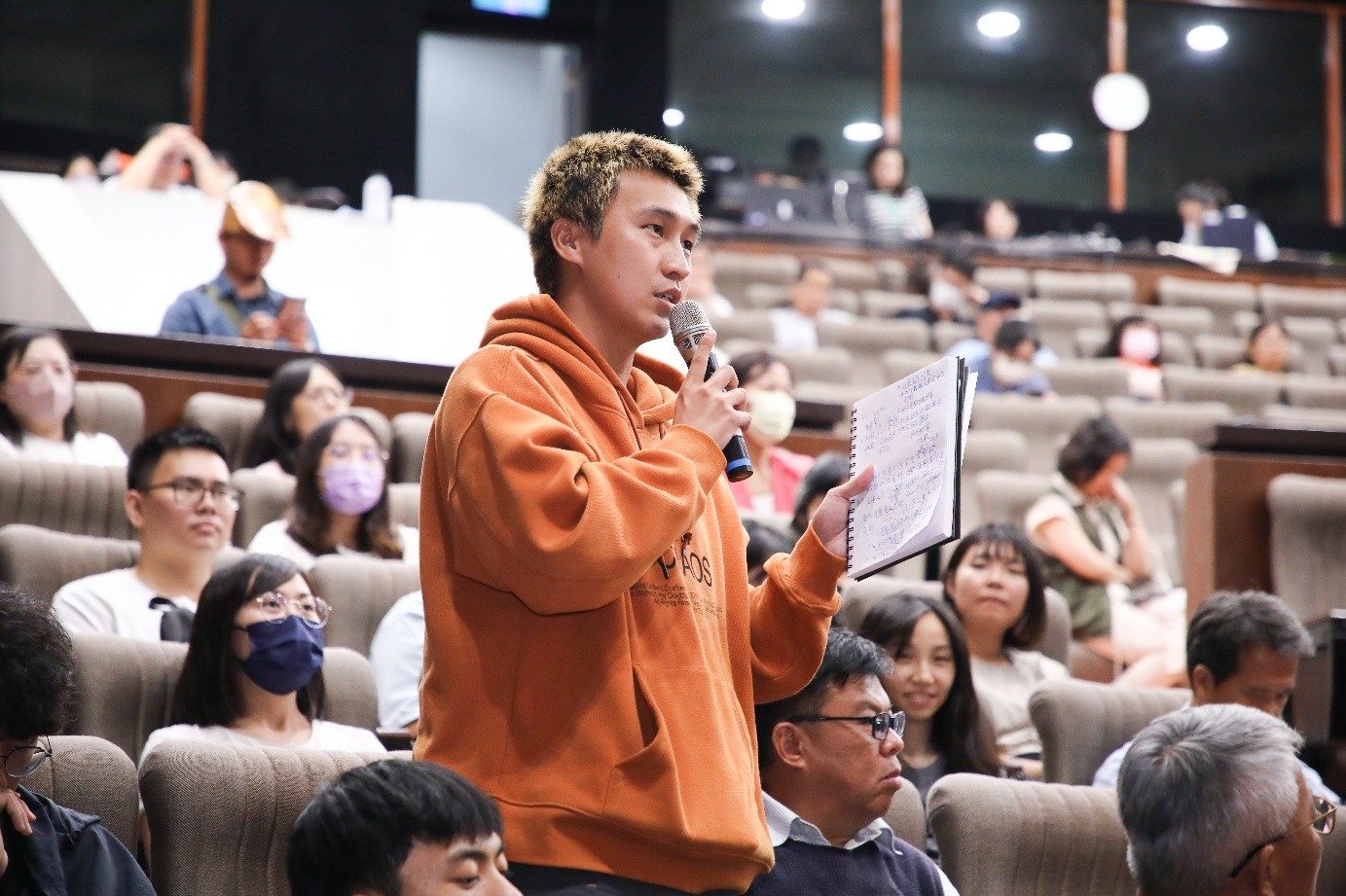
The first public engagement event attracted nearly 400 participants. Attendees actively offered suggestions on urban forest governance, tree maintenance, regulatory systems, wood resource circulation, and cross-ministerial cooperation. They generally affirmed the policy direction of the National Green Canopy Program, supported urban forests and green infrastructure as important strategies for responding to extreme heat and climate change, and endorsed the establishment of a long-term cooperation mechanism between the central and local governments. MOENV said the feedback will be incorporated into subsequent policy planning and public engagement outcomes to continue refining the National Green Canopy Climate Adaptation Program.
MOENV emphasized that extreme heat does not stop at city or county boundaries. Going forward, each local government’s Chief Sustainability Officer will coordinate the establishment of an interdepartmental task force to accelerate implementation of green-canopy adaptation measures. By the end of the year, MOENV plans to compile the results of 50 public engagement sessions together with science-based evidence and geospatial data, and formally submit a national six-year action plan to the Executive Yuan for approval. Working together with the public, the Ministry aims to build a cooler, healthier, and more sustainable Taiwan.
- Data Source: Climate Change Administration
- Publish Date:2026-06-29
- Update Date: 2026-08-28