
Beiping Waldorf Experimental School, Hsinchu County

Turning drainage problems into a learning opportunity: the rain garden initiative
Beiping Waldorf Experimental School is located in a non-urban planning zone, surrounded mostly by low-density residential areas and woodland, an overall natural and tranquil environment. The southern side of the campus is low, and nearby roads lacked proper drainage planning. Rainwater often flowed from upstream through the campus, causing surface water accumulation and muddy conditions. This affected student safety and campus cleanliness. Given these conditions, the school decided to turn the challenge into an opportunity to reconsider the relationship between campus and water through the design and implementation of a rain garden.
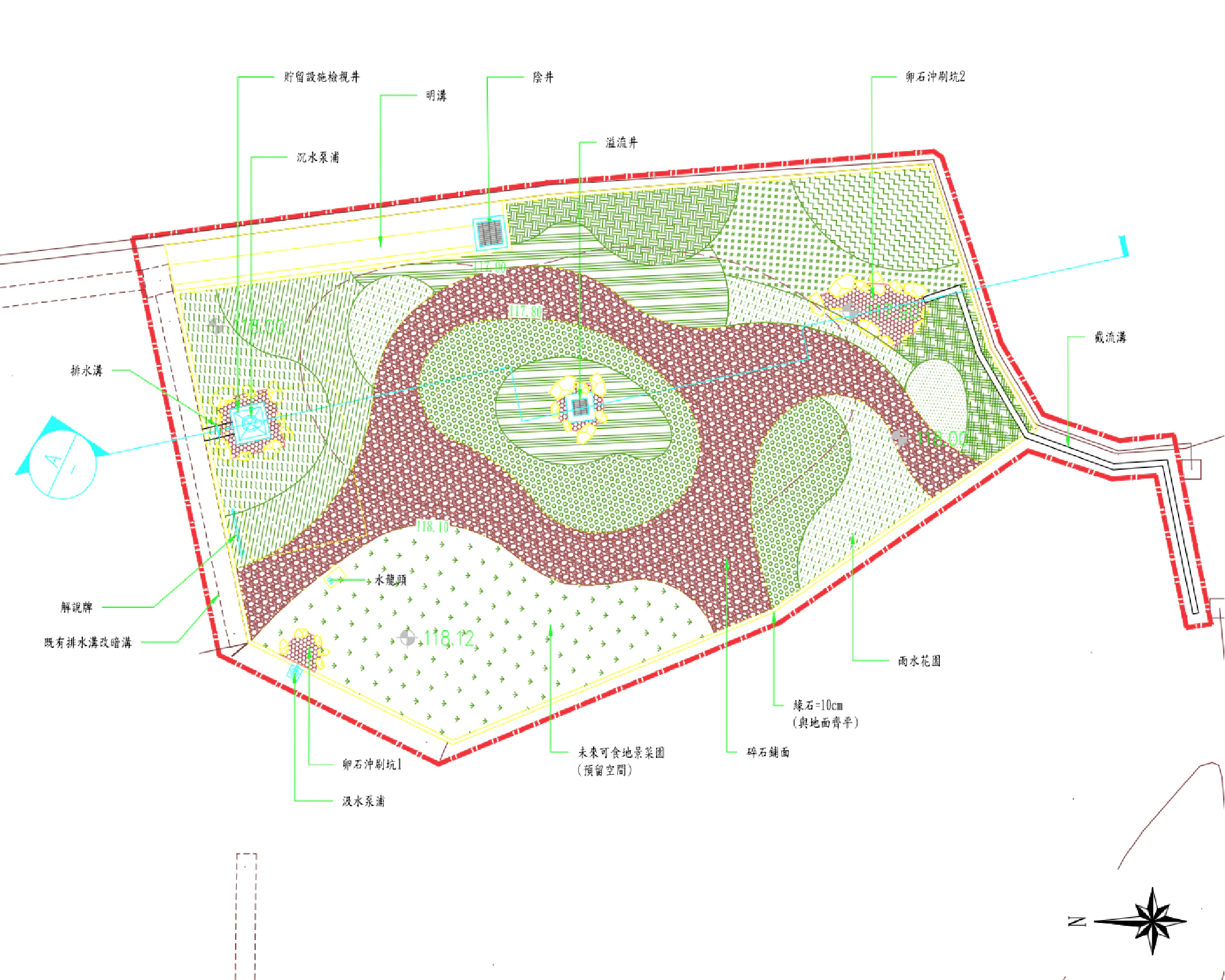
In planning the rain garden, the school began with the existing topography and drainage flow, designing three main catchment zones: Catchment Area A, located along the road outside the side gate; Catchment Area B, mainly the original lawn; and Area C, the designated future playground. These three zones together cover a catchment area of 857 square meters, fully encompassing the low-lying areas at the back of the campus. These areas, originally prone to poor infiltration, have now become key points for guiding, retaining, and purifying rainwater through comprehensive planning.
Building green infrastructure for environmental education
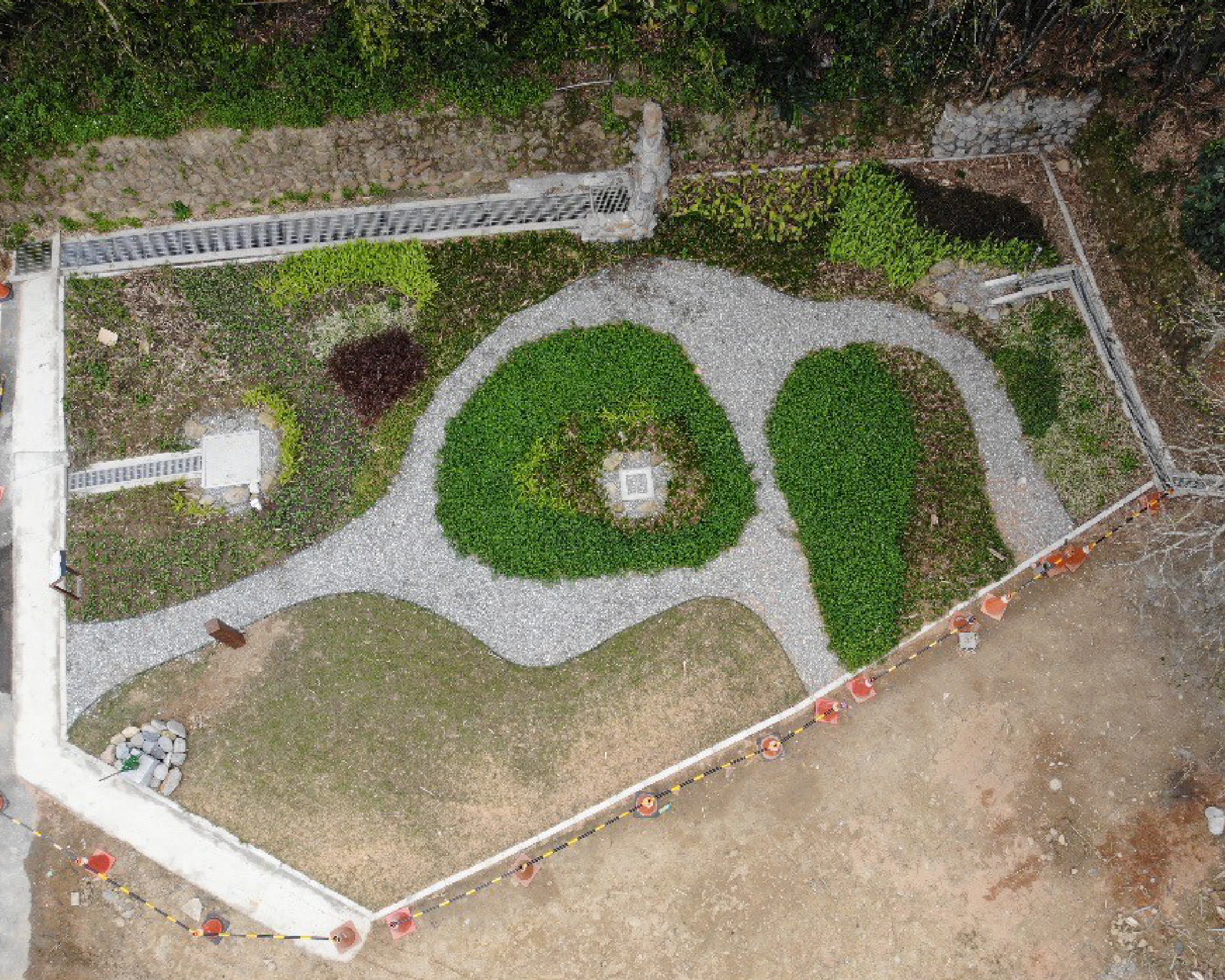
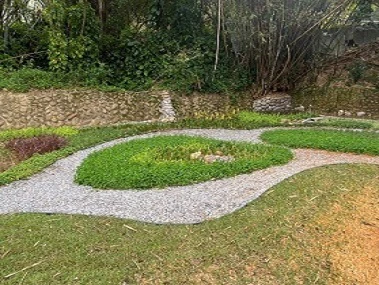
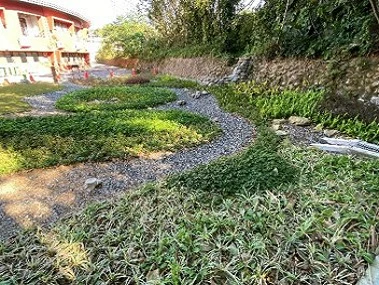
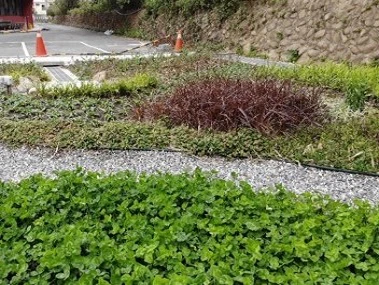
The rain garden is located in the southeast corner of the campus, originally a grass-covered area surrounded by bamboo and trees, offering good shading and a strong plant foundation. The design preserved most of the existing trees and natural terrains, with adjustments made to the pavement and the addition of rainwater treatment facilities using low impact development methods. A central retention area was created, linked by gravel paving and walkways, allowing teachers and students to experience the flow and cycle of rainwater as they use the space. The system incorporates underground storage tanks, overflow drainage, and reuse facilities. While ensuring drainage functionality, it also enables rainwater to be used as a resource for future teaching or irrigation. The gravel paths extend to the main traffic routes, allowing children to naturally interact with every corner of the rain garden during their commute or playtime.
Planting design rooted in nature
The planting design emphasizes layered arrangements and a natural feel. Plant heights and colors are carefully planned and layered to create visual interest year-round. Species include green Indian shot, Indian aster, crimson fountaingrass, Aztec grass, fungus root, and purple loosestrife. Some herbaceous plants, such as clover and cogon grass, may also serve as natural teaching materials for observation, collection, and classification in the future.
These plants not only offer visual appeal and shade but also attract insects and birds, further enhancing campus biodiversity. In the future, the school can integrate relevant courses to encourage students to participate in plant care and ecological monitoring, turning the rain garden into an outdoor classroom that is both practical and educational.
Environmental Monitoring Data
Last updated 2024-12-16 13:59:25

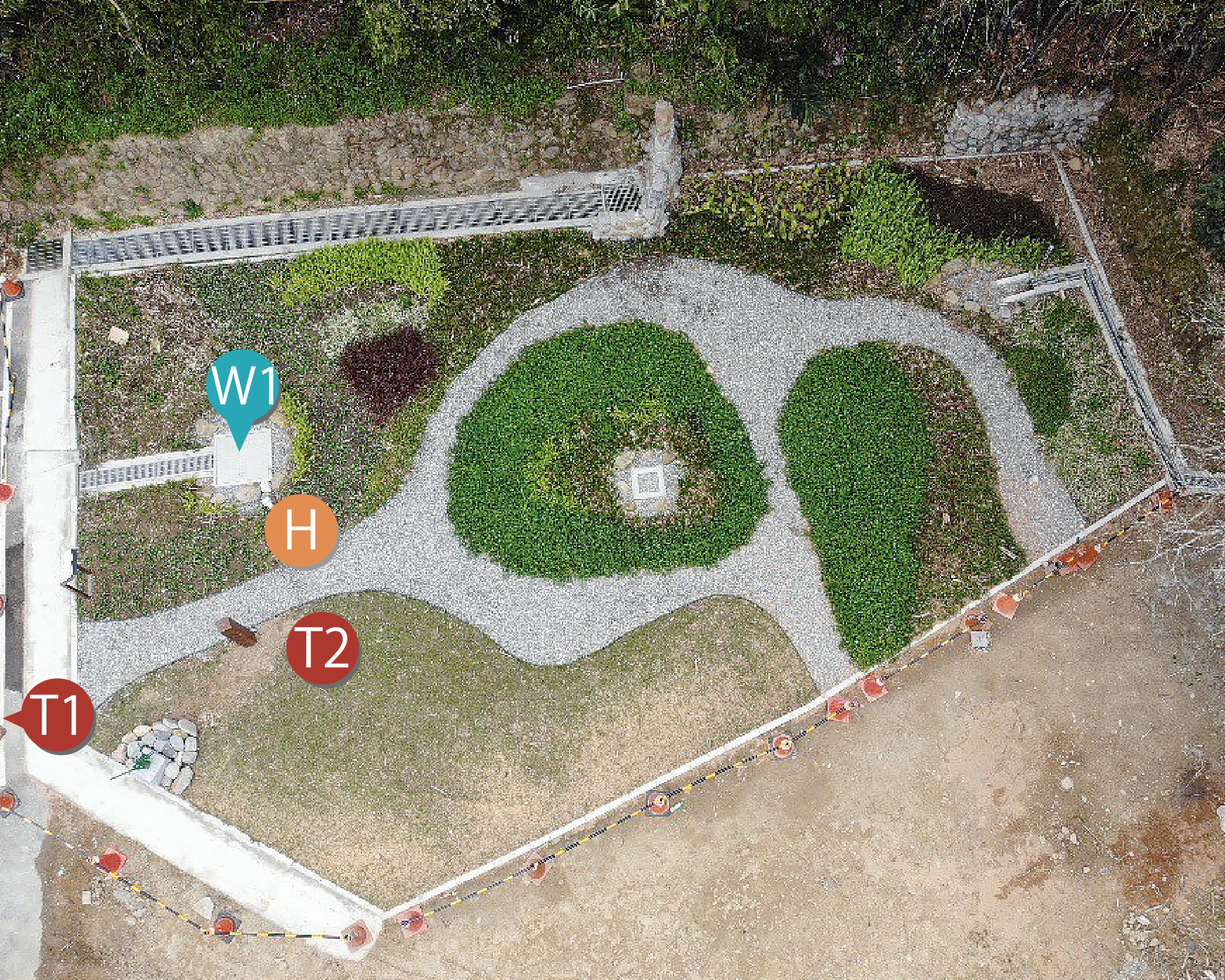
Last updated 2024-12-16 13:59:25
-
 Ambient Humidity
58.4 %
-
 Rainfall
0.0 mm
-
 Conventional Pavement
Temperature18.1 °C
-
 Rain Garden
Temperature17.1 °C
-
 Ambient Temperature
18.1 °C
-
 Underground Storage TankWater Depth0.69MStorage16.61884M³Flow0.00000CMS